Plumbing · Media, PA
Newline Plumbing follows documented steps for safety isolation, unit placement, and final verification. Materials are selected to match the fuel type and capacity needs of each home.
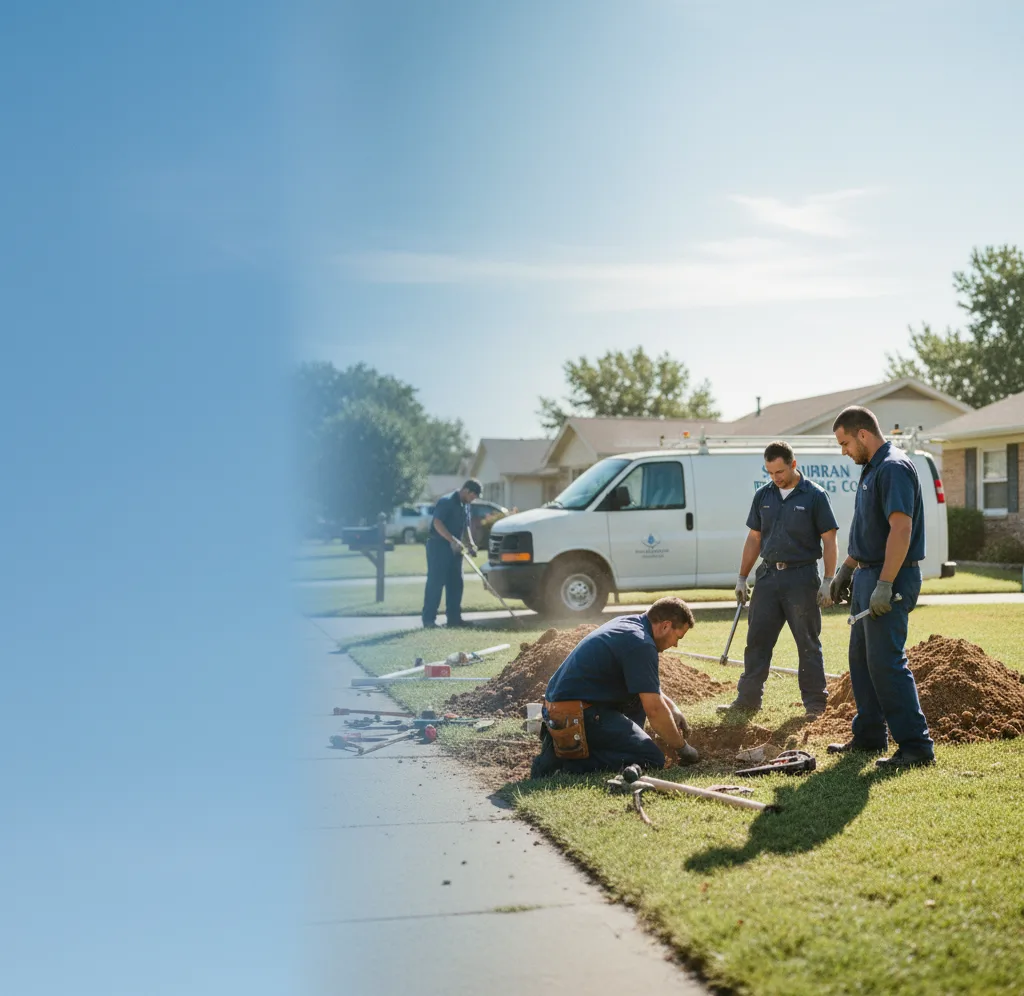
Homeowners often notice fluctuating water temperatures or a sudden drop in available hot water volume. Rust-colored water or unusual sounds from the tank point to internal corrosion or sediment buildup. Age also matters: most standard tanks last between eight and twelve years before efficiency declines noticeably. A visual inspection of the unit and surrounding piping reveals leaks, mineral scaling, or inadequate venting that cannot be corrected through water heater repair alone. Replacement restores consistent performance and brings the system into alignment with current safety standards. The process begins with measuring available space, confirming fuel type, and verifying electrical or gas connections match the new model requirements. Proper sizing prevents short cycling or insufficient supply during peak household use.
Traditional storage tanks hold a fixed volume and reheat water on a schedule. Tankless units heat water on demand, which can reduce standby energy loss in homes with lower daily usage. Selection depends on household size, peak demand periods, and existing utility connections. A site visit includes flow-rate calculations and an assessment of venting pathways or electrical service capacity. Older properties may require additional upgrades to accommodate higher-output models, while newer construction often accepts either style without modification. The final choice balances upfront cost against long-term operating expenses and available space.
Every property rests on ground that shapes how plumbing lines are run and secured during any installation. Homes throughout the area sit on clay loam.
Water chemistry determines the materials and fittings chosen for long-term reliability. Taps supply moderately hard water. Seasonal patterns affect equipment placement and insulation choices around the unit. Conditions include warm summers and cold winters, and 70 nights below freezing.
Installers account for a real freeze risk each winter when selecting locations and protective measures. These factors guide careful planning so the system performs steadily regardless of the setting.
FAQ
The most common reasons are a failed heating element, a tripped high-limit switch, or a thermostat that no longer reads temperature correctly. Sediment that has built up around the element can also prevent heat transfer. A quick test with a multimeter or voltage checker usually shows which part has stopped working.
Visible rust on the exterior, repeated leaks at the seams, or an age over ten to twelve years are strong indicators that the tank lining has deteriorated. When the cost of repeated repairs approaches the price of a new unit, replacement is often the more practical choice. We can measure the remaining life of the anode rod during a visit to help judge the tank's condition.
Yes, turning off the power at the breaker or the gas supply valve is safe and can prevent further damage if a leak is present. Leave the cold-water inlet valve open unless water is actively running out of the unit. We will handle the rest of the shutdown steps once on site.
Water Heater Repair & Plumber across Media, PA. Call (888) 328-1748.
Call (888) 328-1748